Chinese & Japanese antiques
Is your Asian antique genuine?
Upload a few photos of a vase, jade carving, bronze or Buddha statue. You get a free first look in about 20 seconds, built on the working method of an antiques dealer in Hiroshima, Japan.
Photos are kept for 30 days so you can order the full report, then deleted. This is an opinion from photos, not a certificate of authenticity.
How it works
The whole piece, the base or mark, and one close-up of the surface.
Type, three key observations and a period check, in about 20 seconds.
If it looks promising, unlock the full analysis or ask a dealer to review it.
What we check
What the analysis looks at
Foot rims and bases, glaze and crackle, tool marks and polish on jade, casting seams and patina on bronze, gilding and base plates on Buddhist figures, the cut and stone of inkstones, and whether a mark's calligraphy matches its claimed reign. Each point is explained in plain English.
Who is behind this
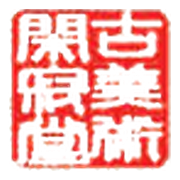
Kanjakudo is an antiques dealer in Hiroshima, Japan, handling Chinese and Japanese works of art: jade, bronzes, inkstones, Buddhist sculpture, hardwood and tea ceramics. The questions this tool asks of your photos are the ones we ask every day when an object comes into the shop. For anything promising, our dealers can review it personally.
Questions
How can I tell if my Chinese porcelain is genuine?
Start with the base and foot rim rather than the decoration. Period pieces show potting, clay and wear consistent with their age, and the glaze sits in a particular way. A reign mark alone proves little: Kangxi and Qianlong marks have been copied since the 18th century and are still added to modern pieces. Photograph the whole piece, the base and the mark and run a free first look.
Is this a certificate of authenticity?
No. It is an indicative opinion from photos. It helps you decide whether an item deserves a formal appraisal, an auction consignment, or simply a good place on the shelf. In-hand examination can always change the conclusion.
How do I photograph an antique for identification?
Use daylight from a window, a plain background and no flash. Take the whole object straight on, the base or underside, any mark or seal filling the frame, and one close-up of the surface texture or wear.
Can you tell me what my item is worth?
The detailed report gives an indicative auction range and explains what it assumes. Prices depend heavily on confirmation in hand, condition and market, so treat it as a starting point.
Do you buy antiques?
Kanjakudo does consider purchases and consignments of Chinese and Japanese works of art. Choose the dealer review and mention it in your notes.
What happens to my photos?
They are used only to analyse your item, kept for 30 days for unpaid checks and 90 days for paid reports, then deleted automatically. See the privacy notice.